
Research article / Open Access
2022; 1(1): 122-129. doi: 10.31488/jpp.105
Impact of a Personalized Antidepressant Prescription Using Genetics, Socio-Demographic and Clinical Data in Major Depressive Disorder Patients: A Clinical Pilot Study
Bertrand Saudreau*1, Amit Spinrad2, Redwan Maatoug3, Nourredine Haddadi4,5, Antoinette Lemoinee5, Roy Schurr2, Sne Darki-Morag2, Roni Zoller2, Dekel Taliaz2, Bruno Millet3
1.Sorbonne University, Child and Adolescent Psychiatry Department, AP-HP, Hôpital Pitié-Salpêtrière, 75013 Paris, France
2.Taliaz, Tel Aviv, Israel
3.Sorbonne University, Institut du Cerveau, Adult Psychiatry Department, AP-HP, Hôpital Pitié-Salpêtrière, 75013 Paris, France
4.Hôpital universitaire Pitié-Salpêtrière, AP-HP, 47-83, boulevard de l’Hôpital, 75651 Paris cedex 13, France
5.Department of Oncogenetics, APHP, GH Paris-Sud, Hôpital Paul Brousse, Inserm UMR-S 1193, Université Paris-Saclay, 14 Avenue Paul Vaillant Couturier, 94800 Villejuif, France
*Corresponding author:Bertrand Saudreau MD, Sorbonne University, Child and Adolescent Psychiatry Department, AP-HP, Hôpital Pitié-Salpêtrière, 75013 Paris, France, Tel: +331 84 82 81 47; Fax: +331 42 16 23 31
Abstract
Major depressive disorder (MDD) is a disabling illness with major risks to patients. Unfortunately, prescribing an antidepressant currently follows a trial-and-error strategy, which can be a long and unsatisfactory process. We conducted a monocentric open pilot study which explored the use of Predictix, a new artificial-intelligence-driven support tool for optimizing antidepressant prescription, taking into account each patient’s genetic, clinical and socio-demographic information as well as their medical history. We initiated treatment for 30 patients aged 18-75 suffering from non-psychotic MDD. These patients were prescribed antidepressants in accordance with recommendations generated by Predictix, and were evaluated -4 and -8-weeks after treatment initiation. If a sufficient improvement was not observed on week 4 or 8, a change in medication was permitted and a new 8-weeks cycle started. By study completion, the response rates observed ranged from 55.6% to 72.2%, according to various depression scales, with high tolerability observed in 66.7% of the patients. By treatment completion, 94.4% of the patients demonstrated clinical improvement, as measured by the physicians’ clinical observations. Predictix-guided prescriptions produced promising results both in terms of clinical benefit and acceptability by patients and clinicians, which pave the way for a larger study examining the tool on a broader scale.
Keywords: Antidepressant, pharmacogenomics, artificial intelligence, precision psychiatry, psychiatric genetics, personalized prescription
Introduction
Depression, or major depressive disorder (MDD), is a severe and disabling illness that will affect nearly one in five adults during their lifetime [1]. The introduction of an antidepressant therapy, a main choice in treating depression [2], up to now follows a trial-and-error strategy. The choice of an antidepressant is made among different classes including serotonin reuptake inhibitors (SSRIs), serotonin-norepinephrine reuptake inhibitors (SNRIs), tricyclics, monoamine oxidase inhibitors (MAOIs), and eventually ketamine and other substances. Most patients do not respond to a first line of antidepressant treatment [3–7], with evidence showing that current treatment as usual (TAU) methods for selecting antidepressants yield 23%-53% response rates among MDD patients [8, 9]. This is not acceptable, as insufficient treatment response could lead to lower level of quality of life, and significantly increase distress, social and professional withdrawal, heavier use of care, and suicide risk [10, 11].
Faced with the inter-individual variability of the response to antidepressants, and motivated by evidence showing that depression has underlying genetic component with estimated heritability of 37%-38% [12, 13], many studies have been carried out to identify genetic characteristics that influence the response to a particular antidepressant. Any antidepressant prescription should be now adapted to the specific clinical, socio-demographic and genetic characteristics of each patient. This is the key to offer a tailored treatment and thus increase the chances of a rapid response of the patient.
The response to a given antidepressant usually corresponds in the scientific literature to a significant reduction (≥50%) in depressive symptoms measured by different depression severity scales, or to an improvement of at least 2 (“much improved”) on the Clinical Global Impression – Improvement scale (CGI-I) [14]. Different measurement scales are currently being used for these purposes, such as The Montgomery and Asberg Depression Scale (MARDS), the Inventory of Depressive Symptomatology (IDS), the Quick Inventory of Depressive Symptomatology (QIDS), the Patient-Health Questionnaire (PHQ), Hamilton Depression Rating Scale (HDRS) or as mentioned, the Clinical Global Impression (CGI).
Our study which was conducted from August 2020 to July 2021 at the Pitié Salpêtrière hospital in Paris, explored the use of Predictix, a new artificial-intelligence-driven support tool that includes personalized genetic analysis, in addition to the analysis of socio-demographic status, clinical features and personal medical history. We describe this clinical pilot study’s objectives and method of treatment (i.e., the examined intervention – Predictix, and its development, input data and overall workflow), and report the study results, their analysis and conclusions.
Materials and Methods
Patient population
Participants aged 18 to 75 who were suffering from MDD according to the Diagnostic and Statistical Manual of Mental Disorders-5 (DSM-5) were recruited from Pitié-Salpêtrière hospital (Paris). The enrollment was initiated through a post on Doctolib (https://www.doctolib.fr/psychiatre/paris/bertrand-saudreau-paris) and through flyers which were distributed in several hospitals and areas of Paris. Interested individuals were then given an explanation about the study objective and the inclusion and exclusion criteria on the online appointment, prior to enrollment.
Prior to participation in the study, potential participants were ensured to have the ability to read, understand and sign an informed consent document. Overall, 56 adults were recruited and assessed for eligibility, in accordance with the inclusion and exclusion criteria (see supplementary information for details), with thirty eventually participating in the study. Figure 1 provides a CONSORT flowchart for this single-arm, non-randomized clinical pilot study.
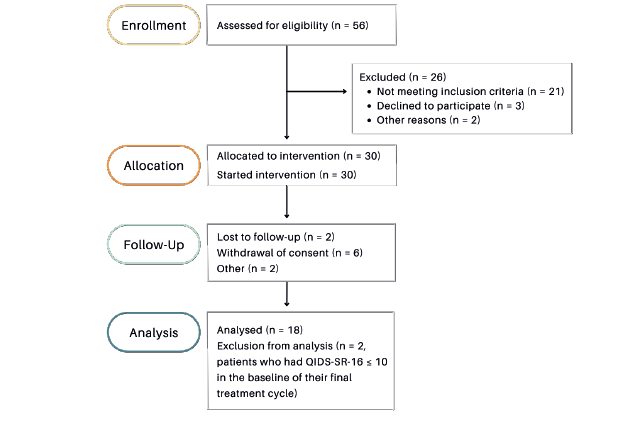
Figure 1:modified CONSORT flow diagram for a single-arm, non-randomized clinical pilot study of the Predictix decision support tool for optimized antidepressant prescription
Intervention - the Predictix algorithm
The Predictix algorithm for optimized treatment selection which was used in this study was developed based on:
• Recommendations from clinical and pharmacogenomics-related guidelines of educated societies around the world [15, 16, 25, 17–24]
• Complete literature review of the genes involved in depression and in the response to psychotropic drugs [26]
• Machine-learning models utilizing genetic, clinical and socio-demographic data of patients from the largest prospective interventional study of depression: the Sequenced Treatment Alternatives to Relieve Depression (STAR*D, N=4,041) study [27, 28], and the smaller Pharmacogenomics Research Network Antidepressant Medication Pharmacogenomic Study (PGRN-AMPS, N=529) [29] (for additional information regarding these studies, refer to the supplementary information)
These sources of information allowed for the generation of the ensemble algorithm named Predictix, which takes into account personalized predictive characteristics of each patient (both genetic, clinical, and socio-demographic ones) in order to produce a prediction regarding the potential of treatment success for each medication. These predictive characteristics (or features), which are the inputs of the algorithm, were found as such during the thorough data analysis which was applied using the above-mentioned data sources [26].
The non-genetic (clinical and socio-demographic) features include, but are not limited to: medication history of the patient and of their first-degree relatives (including effectiveness and adverse effects of previous antidepressant treatments), questions regarding sleep disturbance patterns, anxiety disorders-related behaviors, use of alcohol or drugs, alcohol or tobacco withdrawal processes, professional status, type of dwelling, etc.
The genetic features include genetic variations, or single-nucleotide polymorphisms (SNPs), in general neuronal transmission-related genes, such as SLC6A15 [30]; in genes related to specific neurotransmitters, e.g., dopamine or glutamate, such as LMX1A [31] and GRIA1 [32]; in circadian clock genes such as ARNTL [33, 34] and in hepatic metabolism genes such as CYP2D6 [35], among many others (the full list of genes/loci in which these SNPs reside is as follows: LMX1A, MTOR, HS6ST3, PRKCA, GRIA1, GRIN2A, FKBP5, GRIK4, HCRTR2, OPRM1, SLC6A15, C1orf167, AR, CHRM3, ARNTL, WWOX, ZFPM2, CCDC63, CYP2C19, CYP2D6, and SNPs which reside in intergenic regions between the following pairs of genes: IFNA1 & IFNA8, PLCB1 & PLCB4, OXTR & RAD18, STK39 & CERS6, CYP2C19 & CYP2C18).
The principle behind the Predictix workflow is to collect the aforementioned information needed to produce treatment recommendations by taking a patient's cellular DNA via an oral swab, in addition to collecting the relevant socio-demographic and clinical data as well as personal medical history of the patient via a specified questionnaire (i.e., the “Predictix questionnaire”), (Supplementary ure 1A). The items collected using the DNA sampling and the Predictix questionnaire completion corresponds to the predictive characteristics mentioned above, and as such are considered more relevant and predictive to treatment response. Using those personal data, the Predictix software runs its algorithms and eventually proposes a list of antidepressants, each belonging to one of the 3 following categories: “Highly recommended”, “Moderately recommended” and “Not recommended”. Each of these categories corresponds to the likelihood of response to the antidepressant while taking into account its associated undesirable effects [36] (Supplementary Figure 1B).
Additionally, a recommendation with the words "High rate", "Medium rate" or "Low rate" is added, corresponding to the dosage to be adapted to the hepatic metabolism of the patient, as well as information on the possible adverse effects of certain antidepressants. The dosage recommendations are based on the CYP450 superfamily gene variations for each patient.
Study design
Figure 2 provides a detailed diagram and overview of the study design. Recruited and eligible patients signed a consent form and started the study at visit 1.
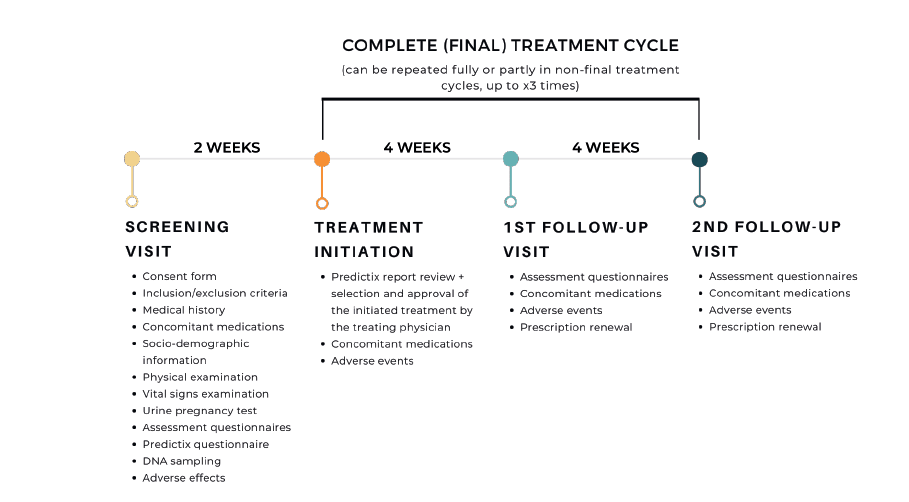
Figure 2:Flow diagram of the pilot study design for evaluating Predictix decision support tool, including procedures performed for each patient in each step
Visit 1 (“screening visit”) consisted of gathering the following information:
• Consent form signing
• Inclusion/exclusion criteria examination
• Medical history
• Concomitant medications recording
• Socio-demographic information
• Physical examination
• Vital signs examination (heart rate, blood pressure, temperature)
• Urine pregnancy test for all women of childbearing potential
• Assessment questionnaires: the Mini International Neuropsychiatric Interview (MINI) questionnaire [37], the 16-Item self-report QIDS (QIDS-SR-16) [38], CGI – Severity scale (CGI-S) [39], the 9-item-PHQ (PHQ-9) [40, 41] and the Work Productivity and Activity Impairment (WPAI) [42] questionnaire
• Predictix questionnaire completion (Supplementary Figure 1A)
• A buccal swab sample collection for the DNA sampling
• Adverse effects recording
• Either two weeks after visit 1, or at the time of initiation of an additional treatment cycle, visit 2 (“treatment initiation” visit) was conducted and consisted of:
• Treatment initiation based on recommendation of the Predictix report (see Supplementary Figure 1B)
• Concomitant medications recording
• Adverse effects recording
Four weeks following visit 2, visit 3 (“1st follow-up visit”) was conducted and consisted of:
• Assessment questionnaires: QIDS-SR-16, CGI-I, PHQ-9, Patient-Rated Inventory of Side Effects (PRISE) [43] and Frequency, Intensity, and Burden of Side Effects Rating (FIBSER)
• Concomitant medications recording
• Adverse effects recording
• Prescription renewal
Four weeks following visit 3, i.e., eight weeks following visit 2, visit 4 (“2nd follow-up visit”) was conducted and consisted of:
• Assessment questionnaires: QIDS-SR-16, CGI-I, PHQ-9, PRISE, FIBSER and WPAI
• Concomitant medications recording
• Adverse effects recording
• Prescription renewal
A change in treatment medication occurred in case of insufficient improvement, which was determined by the treating physician in accordance with their clinical observation at visit 3 or visit 4. An antidepressant switch or increase of medication dosage was considered as a new cycle (i.e., an augmentation in dose which is not part of the acceptable grading up at the commencement of an antidepressant medication). A new cycle consisted of a new prescription (i.e., another visit 2), followed by an additional “visit 3” 4 weeks later, and “visit 4” 4 weeks following that (i.e., 8 weeks following the latest cycle initiation).
Up to three independent cycles were permitted per subject. At least one (i.e., final) fully-completed cycle comprising 8 weeks after treatment initiation was required for a patient to be included in the analysis as “completed the study”.
The study’s protocol was reviewed and approved by a CPP – i.e Ethics Committee (EC) prior to implementation. The CPP was designated by draw according to Article L. 1123-6 du code de la santé publique. The study was conducted in adherence to MR reference methodology requirements relating to the processing of personal data implemented in the context of research in the field of health with the consent of persons concerned (MR001), and to the General Data Protection Regulation [GDPR – Regulation (EU)]. The study’s ClinicalTrials.gov Identifier is NCT04138290.
Data collection and subjects’ confidentiality
In addition to the information collected per study visit which was detailed above (and shown in Figure 2), participating physicians completed the Usability and Satisfaction questionnaire after each 5 new patients had completed the study.
The information on each visit described earlier was recorded in appropriate Case Report Forms (CRFs). Confidentiality of the personal data of subjects participating in this study was ensured via rigorous de-identification process and using these de-identified numeric codes in all relevant CRF files exclusively.
Statistical analyses
Patients analyzed were study completers who had at least moderate depression (QIDS-SR-16 score of >10) at the baseline of their final treatment cycle. This was done in order to compare our results to similar trials which commonly use comparable criteria for patient inclusion [8, 27, 44–47], given moderate-severe depression has evidence of antidepressant efficacy compared with mild depression [48, 49].
Categorical variables are presented as n (%), while continuous variables are summarized as mean ± standard deviation (SD).
The primary analyses assessed the success rates which were defined as the percentage of patients who had a score of 3 and below in the total improvement measured by the CGI-I last measured value (i.e., at least “minimally improved”), or had a >50% reduction in the QIDS-SR-16 score - under a specific medication cycle regimen (in the final treatment cycle).
Response rates were further calculated by extracting the percentages of patients who experienced either ≥50% reduction in the final score of QIDS-SR-16 and PHQ-9 compared to their corresponding initial score, or an improvement of at least 2 (“much improved” or “very much improved”) in the CGI-I [14].
In addition, the Usability and Satisfaction questionnaire (intended for use and completed by physicians) was analyzed, and patients’ treatment tolerability was assessed using the FIBSER Burden sub-score (item 3), following the built-in recommendations in the FIBSER questionnaire (i.e., percentage of patients with ≤2 in that sub-score, which indicates no required change in medication or medication regimen). Finally, the response rates at 4 weeks after initiation of the final treatment cycle were also investigated.
Analyses were performed using statistical analysis scripts developed in R & Python.
Clinician and patient experience
Personal perceptions regarding clinicians’ and patients’ acceptability at recruitment stage, during the study period and by study completion are detailed in the results section.
Results
Demographic and clinical characteristics
Socio-demographic and clinical characteristics of the analyzed study’s population at the screening visit are presented in Table 1. As shown in figure 1, thirty patients were eventually recruited, screened, and included within the study – and started treatment accordingly. Twenty patients completed the study, and 18 patients met both MDD criteria according to the DSM-V and a QIDS-SR-16>10 in the baseline of their final treatment cycle. The majority of drop outs were due to withdrawal of consent (6 out of 10).
Table 1.Baseline characteristics (at the screening visit) of the study patients (N=18)
| Final Patient Sample | ||
|---|---|---|
| Subjects (N) | 18 | |
| Age (years), mean (SD) | 35 (13.5) | |
| Sex, n (%) | ||
| Female | 56% | |
| Male | 44% | |
| Ethnicity (%) | ||
| Caucasian | 61% | |
| Other | 39% | |
| First episode (age), mean (SD) | 33 (13.5) | |
| QIDS-SR-16, mean (SD) | 17.8 (3.5) | |
| PHQ-9, mean (SD) | 18.4 (4.4) | |
Abbreviations: QIDS-SR-16: 16-Item Quick Inventory of Depressive Symptomatology-Self-Report; PHQ-9: 9-Item Patient Health Questionnaire (self-assessment); SD: Standard Deviation
Duration of treatment
Out of the 18 patients, 13 (72.2%) completed study during the first cycle (overall 8 weeks), while 5 (27.8%) required a second treatment cycle (Figure 3A).
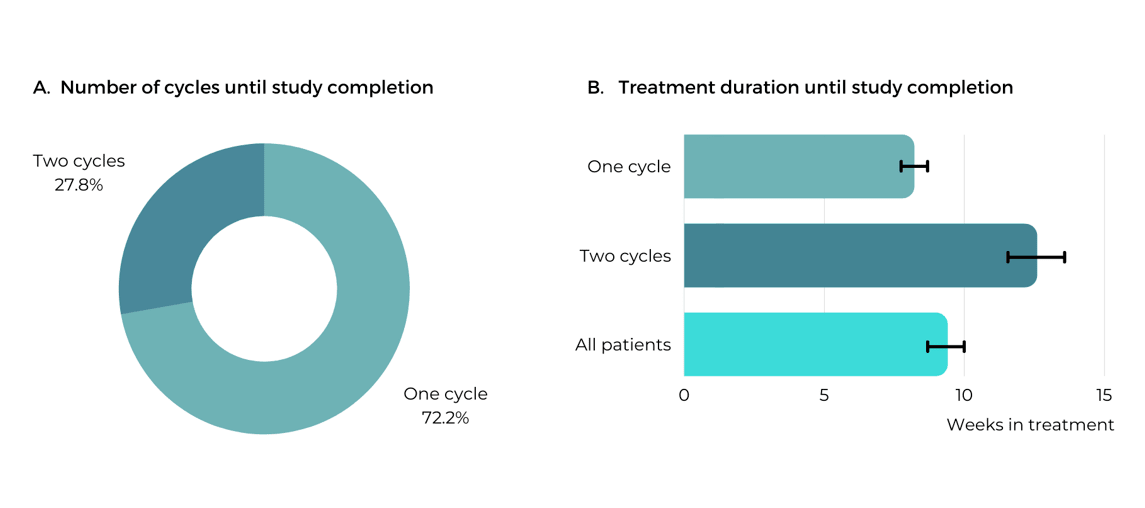
Figure 3:Duration of treatment. (A( Distribution of patients according to the number of cycles it took for them to complete the study (B) Average duration of treatment in weeks for patients until study completion, divided by number of treatment cycles until study completion (error bars represent standard errors)
Patients’ depression severity scores were first measured 4.3 weeks (± 0.5) after the first treatment initiation on average, and the next measurement was taken 8.2 (± 0.6) weeks after the first treatment initiation on average.
Overall, the average duration from the initiation of the first treatment to completion of the study was 65.8 days (± 16.4) (i.e., 9.4 weeks on average) for all patients (Figure 3B), with an average of 8.2 weeks (± 0.6) for patients who completed the study in the first cycle, and an average of 12.5 weeks (± 2.2) for patients who completed the study in the second cycle.
Clinical outcomes and medication tolerability
Using our primary criteria of judgment, the success rates by the end of the study were 55.6% for QIDS-SR-16 (i.e., percentage of patients who experienced ≥50% reduction in score), and 94.4% for those who received a score of 3 and below in the CGI-I last measured value.

Figure 4:Clinical outcomes according to the various measured scales. (A) Response rates by completion of the study using the various depression scales: CGI-I, QIDS-SR-16 & PHQ-9 (B) Percentage of patients with high treatment tolerability rate (i.e., with a FIBSER burden sub-score of ≤2)
Abbreviations: CGI-I: Clinical Global Impression scale – Improvement; QIDS-SR-16: 16-Item Quick Inventory of Depressive Symptomatology-Self-Report; PHQ-9: 9-Item Patient Health Questionnaire (self-assessment); FIBSER: Frequency, Intensity, Burden of Side Effects Rating
Additionally, 72.2% of the patients were either “much improved” or “very much improved” in their CGI-I last measured value (Figure 4A). Overall, in the 8th week measurement, regardless of treatment cycle, 83.3% of the patients achieved an observable clinical improvement (a score of 3 and below in the CGI-I) and 61.1% were either “much improved” or “very much improved”.
The PHQ-9 response rate by the completion of the study (percentage of patients who experienced ≥50% reduction in score compared to baseline) was 61.1% (Figure 4A), with 54.5% of the patients who achieved PHQ-9 response achieving it by week 4 of their final treatment cycle, and 90.9% by the 8th week measurement (independently of treatment cycle, compared to their screening baseline).
Analysis of side-effects and tolerability to treatment at the completion of the study showed an average of 1.44 (± 1.71) using the FIBSER burden sub-score (0-6), with 66.7% of all patients with a score of ≤2 (i.e., “no need to change medications / medication regimen due to side effects”, Figure 4B). Sub-analysis of this result shows that out of the patients who were either “much improved” or “very much improved” in their CGI-I by the completion of the study, 76.9% had high tolerability to their selected treatment with FIBSER burden sub-score of ≤2.
Clinician acceptability
Results of the Usability and Satisfaction questionnaire for the Predictix Antidepressant Software Tool (intended for use and completed by physicians who used Predictix during this study) are summarized in Supplementary Table 1.
Overall, participating physicians reported that using the online software, as well as extracting the DNA sample, was very convenient and user-friendly, while the delay in waiting for the result (i.e., the length of time between the screening visit and the baseline of cycle 1, which lasted ~2 weeks) upset the physicians’ prescribing practices, which are often instantaneous upon diagnosis of depression.
In addition, similarly to standard care, the follow-up of depressed patients came up against 2 major difficulties: the first being the difficulty in making an appointment and in honoring a follow-up, made difficult by the symptoms of depression themselves (clinophilia, abulia, athymhormia), and the second was the temptation of patients to discontinue follow-up once the treatment is effective.
Finally, participating physicians also reported that many patients hoped for long-term psychiatric follow-up, which was not possible as a part of this study, while many patients who were not included, were offered support to appropriate care structures.
Patient acceptability
The presentation of Predictix as a tool for personalizing antidepressant treatment has attracted many patients who were looking for a “tailor-made” antidepressant, and created a scientific interest of the recruited population.
The DNA sampling has been well accepted, despite the COVID-19 pandemic occurring at the same time period of this study.
It is important to note that unlike the treating physicians, patients did not seem to be bothered by the analysis period, which implied a prescription of antidepressant up to 2 weeks after the first visit, whereas antidepressants are often prescribed at the first visit in current clinical practice.
Drop-out reasons
Drop-out patients in our study (n=10) were often reluctant to take medication, asking for psychotherapy, and then quickly withdrew their consent for the clinical study. Among drop-out patients, three withdrew their consent due to the COVID-19 pandemic.
Additional reasons for dropping out were an insistent request for a benzodiazepine prescription that was not indicated (which likely resulted in the patient leaving the study) and a patient who received repetitive transcranial magnetic stimulation (rTMS) sessions in parallel, which did not allow the study to be continued.
Discussion
This pilot clinical study explored the use of the decision support tool, Predictix, to select an optimized antidepressant for MDD patients. The response rates observed were 55.6% according to QIDS-SR-16, 61.1% according to PHQ-9, and 72.2% according to the CGI-I. Furthermore, 94.4% of the patients experienced clinical improvement, i.e., were either “minimally improved”, “much improved” or “very much improved” in their CGI-I last measured value. The rate of patients who completed the study with high tolerability to their prescribed medication was 66.7%, and the average treatment duration was 9.4 weeks.
Response to antidepressant is driven by a combination of genetic and environmental factors [50]. Predictix analyzes interactions of socio-demographic information, clinical data, medical records and genetic data, which according to this study, in addition to previous studies [26], may play an important role in antidepressant treatment selection. Correlations of specific patients’ characteristics with specific medications’ treatment success were described in several meta-analyses thus far [51–53]. These have recently prompted the development of decision support tools to predict and increase treatment success rates using various types of patients’ characteristics [8, 26, 54, 55]. Indeed, analyses of preliminary results of trials which examined such decision support tools showed encouraging results, with overall 50% response rate compared with only 36% in TAU practices [8] in weeks 8-12. It is important to note however, that a recent additional trial showed promising but slightly more inconclusive results [9]. The results of the current study compared to the results of these previous trials, therefore, indicate a promising potential.
Despite the COVID-19 pandemic occurring in the time period in which this study was held, patient and clinician acceptability of the “prescribing aid” of Predictix was seemingly high. Other than the upset of physicians due to the waiting phase for the genotyping results to feed into the Predictix algorithm and yield a report, both physicians and patients almost exclusively reported a positive experience using this tool: physicians reported overall high convenience and comprehensibility in using it, and patients expressed enthusiasm about a “tailor-made” antidepressant prescription. These reports correspond well with findings of several recently published studies, which found that similar decision support tools are usually easy to use and integrate within sessions for physicians, and have positive effects on the patient-physician interactions, such as increased trust in treatment and its explicability [56–58].
Obviously, this current pilot study has several key limitations: the small sample size, 18 patients overall, is one of them. A larger sample is needed in order to conclude statistically significant interpretations. Additionally, no control group (i.e., TAU) was examined in this study in parallel to the Predictix-guided group, and thus it is difficult to isolate the effect of the tool on patients while eliminating placebo effects. Nevertheless, examination of this study’s results with decision support tools’ studies which used similar sample sizes for the guided-group shows comparable or better results by Predictix [8]. Lastly, there was a high proportion of drop-outs in this study (33.3% of recruited patients), partly due to the COVID-19 pandemic which added unusual external environmental stressors to patients’ lives, and therefore hindered the natural progress of the study.
Conclusion
In summary, this pilot study indicates that using Predictix artificial-intelligence-driven clinical decision support tool may increase response rates compared to the rates previously reported in the clinical literature. Furthermore, two thirds of patients who used Predictix guided treatment did not develop side-effects that would dictate a change in medication or medication regimen. The high acceptability of a prescribing aid such as Predictix by patients and by clinicians, and the potential future advantages of using such aid in large-scale clinical practice can also be considered part of the added value of this study. This pilot study is, therefore, the essential starting point of a larger ongoing randomized controlled clinical trial (ClinicalTrials.gov Identifier: NCT05137197).
Abbreviations
MDD: major depressive disorder; SSRI: serotonin reuptake inhibitor; SNRI: serotonin-norepinephrine reuptake inhibitor; MAOI: monoamine oxidase inhibitor; TAU : treatment as usual; CGI: clinical global impression; MARDS: Montgomery and Asberg depression scale; IDS:inventory of depressive symptomatology; QIDS: quick inventory of depressive symptomatology; PHQ: patient-health questionnaire; HDRS: Hamilton depression rating scale; CGI-I: CGI – improvement; DSM-5: diagnostic and statistical manual of mental disorders-5; STAR*D: sequenced treatment alternatives to relieve depression; PGRN-AMPS: pharmacogenomics research network antidepressant medication pharmacogenomic study; SNP: single-nucleotide polymorphism; MINI: mini international neuropsychiatric interview; QIDS-SR-16: the 16-item self-report QIDS; CGI-S: CGI – severity; WPAI: work productivity and activity impairment; PRISE: patient-rated inventory of side effects; FIBSER: frequency, intensity, and burden of side effects rating; EC: ethics committee; CRF: case report form; SD: standard deviation; rTMS: repetitive transcranial magnetic stimulation; NIGMS: national institute of general medical sciences; NIH: national institutes of health:
Acknowledgments
The study was supported by the European Commission (grant number 832230), and by the Israeli Innovation Authority (grant numbers 47499, 55573, 59126). The views expressed in this study are those of the authors and not necessarily those of the grantors. The European Commission and the Israel Innovation Authority had no role in the study design, data collection, data analysis, data interpretation, or writing of the report. The corresponding author had full access to all the data in the study and had final responsibility for the decision to submit for publication.
We thank all persons involved in the Sequenced Treatment Alternatives to Relieve Depression (STAR*D) study, and the persons involved in the Pharmacogenomics Research Network Antidepressant Medication Pharmacogenomic Study (PGRN-AMPS).
STAR*D focused on non-psychotic major depressive disorder in adults seen in outpatient settings. The primary purpose of this research study was to determine which treatments work best if the first treatment with medication does not produce an acceptable response. The study was supported by NIMH contract #N01MH90003 to the University of Texas Southwestern Medical Center. The ClinicalTrials.gov identifier is NCT00021528. This manuscript reflects the views of the authors and may not reflect the opinions or views of the STAR*D Study Investigators or the NIH. All participants provided written informed consent at enrollment, with consent and study protocols approved by institutional review boards at each participating institution.
Funding support for the Pharmacogenomics Research Network Antidepressant Medication Pharmacogenomic Study (PGRN-AMPS) was provided by the National Institute of General Medical Sciences (NIGMS), National Institutes of Health (NIH), through the PGRN grant to Principal Investigators R. Weinshilboum and L. Wang (U19GM61388). Dr. D. Mrazek served as the Principal Investigator for the PGRN-AMPS study within the Mayo Clinic PGRN program. Genome-wide genotyping was performed at the RIKEN Center for Genomic Medicine, with funding provided by RIKEN. The datasets used for the analyses described in this manuscript were obtained from dbGaP at http://www.ncbi.nlm.nih.gov/projects/gap/. The ClinicalTrials.gov identifier is NCT00613470, and the dbGaP Study Accession is phs000670.v1.p1. This manuscript reflects the views of the authors and may not reflect the opinions or views of the PGRN-AMPS Investigators or the NIH. All PGRN-AMPS participants provided written informed consent. The PGRN-AMPS study protocol was approved by the Institutional Review Board of the Mayo Clinic, Rochester, MN, USA.
ClinicalTrials.gov Identifier is NCT04138290.
Conflict of Interest
Dekel Taliaz is the founder and CEO of Taliaz and reports stock ownership in Taliaz. During the research phase of the study, Amit Spinrad, Roy Schurr, Sne Darki-Morag and Roni Zoller served as data scientists in Taliaz.
References
1. Hasin DS, Sarvet AL, Meyers JL, et al. Epidemiology of adult DSM-5 major depressive disorder and its specifiers in the United States. JAMA Psychiatry. 2018;75:336–46.
2. Duval F, Lebowitz BD, Macher JP. Treatments in depression. Dialogues Clin Neurosci. 2006;8:191–206.
3. Cipriani A, Furukawa TA, Salanti G, et al. Comparative efficacy and acceptability of 21 antidepressant drugs for the acute treatment of adults with major depressive disorder: a systematic review and network meta-analysis. Lancet. 2018;391:1357–66.
4. Cipriani A, Salanti G, Furukawa TA, et al. Antidepressants might work for people with major depression: where do we go from here? The Lancet Psychiatry. 2018;5:461–3.
5. Khan A, Fahl Mar K, Faucett J, et al. Has the rising placebo response impacted antidepressant clinical trial outcome? Data from the US Food and Drug Administration 1987-2013. World Psychiatry. 2017;16:181–92.
6. Rutherford BR, Roose SP. A model of placebo response in antidepressant clinical trials. Am J Psychiatry. 2013;170:723–33.
7. Timothy Walsh B, Seidman SN, et al. Placebo response in studies of major depression: Variable, substantial, and growing. J Am Med Assoc. 2002;287:1840–7.
8. Rosenblat JD, Lee Y, McIntyre RS. The effect of pharmacogenomic testing on response and remission rates in the acute treatment of major depressive disorder: A meta-analysis. J Affect Disord. 2018;241:484–91.
9. Browning M, Bilderbeck AC, Dias R, et al. The clinical effectiveness of using a predictive algorithm to guide antidepressant treatment in primary care (PReDicT): an open-label, randomised controlled trial. Neuropsychopharmacology. 2021;46:1307–14.
10. Souery D, Oswald P, Massat I, et al. Clinical factors associated with treatment resistance in major depressive disorder: Results from a European multicenter study. J Clin Psychiatry. 2007;68:1062–70.
11. Dong M, Zeng LN, Lu L, et al. Prevalence of suicide attempt in individuals with major depressive disorder: A meta-analysis of observational surveys. Psychol Med. 2019;49:1691–704.
12. Flint J, Kendler KS. The Genetics of Major Depression. Neuron. 2014;81:484–503.
13. Kendler KS, Gatz M, Gardner CO, et al. A Swedish national twin study of lifetime major depression. Am J Psychiatry. 2006;163:109–14.
14. Nierenberg AA, DeCecco LM. Definitions of antidepressant treatment response, remission, nonresponse, partial response, and other relevant outcomes: A focus on treatment-resistant depression. J Clin Psychiatry. 2001;62 SUPPL. 16:5-9+35.
15. American Psychiatric Association. Practice Guideline for the Treatment of Patients With Major Depressive Disorder. 2010.
16. National Institute for Health and Care Excellence. Overview | Depression in adults: recognition and management | Guidance | NICE. NICE Guidance. 2018. https://www.nice.org.uk/guidance/cg90. Accessed 20 Jan 2020.
17. Stahl SM. Essential Psychopharmacology: Prescriber’s Guide. 7th edition. 2020.
18. The National Institute for Health and Care Excellence. Depression. The Treatment and Management of Depression in Adults. 2009.
19. Relling M V, Klein TE. CPIC: Clinical pharmacogenetics implementation consortium of the pharmacogenomics research network. Clin Pharmacol Ther. 2011;89:464–7.
20. Whirl-Carrillo M, McDonagh EM, Hebert JM, et al. Pharmacogenomics knowledge for personalized medicine. Clin Pharmacol Ther. 2012;92:414–7.
21. Thorn CF, Klein TE, Altman RB. PharmGKB: The pharmacogenomics knowledge base. Methods Mol Biol. 2013;1015:311–20.
22. FDA-approved Drugs. FDA/CDER resources page; Food and Drug Administration Web site. 2020. https://www.fda.gov/drugs. Accessed 20 Oct 2021.
23. European Medicines Agency. European Medicines Agency Website. 2020. https:/ema.europa.eu/en. Accessed 20 Oct 2021.
24. Qaseem A, Barry MJ, Kansagara D, et al. Nonpharmacologic versus pharmacologic treatment of adult patients with major depressive disorder: A clinical practice guideline from the American College of Physicians. Ann Intern Med. 2016;164:350–9.
25. Cleare A, Pariante CM, Young AH, et al. Evidence-based guidelines for treating depressive disorders with antidepressants: A revision of the 2008 British Association for Psychopharmacology guidelines. J Psychopharmacol. 2015;29:459–525.
26. Taliaz D, Spinrad A, Barzilay R, et al. Optimizing prediction of response to antidepressant medications using machine learning and integrated genetic, clinical, and demographic data. Transl Psychiatry. 2021;11:381.
27. Rush AJ, Fava M, Wisniewski SR, et al. Sequenced treatment alternatives to relieve depression (STAR*D): Rationale and design. Control Clin Trials. 2004;25:119–42.
28. Fava M, Rush AJ, Trivedi MH, et al. Background and rationale for the sequenced treatment alternatives to relieve depression (STAR*D) study. Psychiatr Clin North Am. 2003;26:457–94.
29. Mrazek DA, Biernacka JM, McAlpine DE, et al. Treatment outcomes of depression: The pharmacogenomic research network antidepressant medication pharmacogenomic study. J Clin Psychopharmacol. 2014;34:313–7.
30. Kohli MA, Lucae S, Saemann PG, et al. The Neuronal Transporter Gene SLC6A15 Confers Risk to Major Depression. Neuron. 2011;70:252–65.
31. Lupu D, Varshney MK, Mucs D, et al. Fluoxetine affects differentiation of midbrain dopaminergic neurons in vitro. Mol Pharmacol. 2018;94:1220–31.
32. Bishop JR, Chae SS, Patel S, Moline J, Ellingrod VL. Pharmacogenetics of glutamate system genes and SSRI-associated sexual dysfunction. Psychiatry Res. 2012;199:74–6.
33. Bering T, Carstensen MB, Wörtwein G, et al. The Circadian Oscillator of the Cerebral Cortex: Molecular, Biochemical and Behavioral Effects of Deleting the Arntl Clock Gene in Cortical Neurons. Cereb Cortex. 2018;28:644–57.
34. Partonen T, Treutlein J, Alpman A, et al. Three circadian clock genes Per2, Arntl, and Npas2 contribute to winter depression. Ann Med. 2007;39:229–38.
35. Preskorn SH, Kane CP, Lobello K, N, et al. Cytochrome P450 2D6 phenoconversion is common in patients being treated for depression: Implications for personalized medicine. J Clin Psychiatry. 2013;74:614–21.
36. Taliaz D, Souery D. A New Characterization of Mental Health Disorders Using Digital Behavioral Data: Evidence from Major Depressive Disorder. J Clin Med. 2021;10:3109.
37. Lecrubier Y, Sheehan D V, Weiller E, Amorim P, Bonora I, Sheehan KH, et al. The Mini International Neuropsychiatric Interview (MINI). A short diagnostic structured interview: Reliability and validity according to the CIDI. Eur Psychiatry. 1997;12:224–31.
38. Rush AJ, Trivedi MH, Ibrahim HM, et al. The 16-item Quick Inventory of Depressive Symptomatology (QIDS), clinician rating (QIDS-C), and self-report (QIDS-SR): A psychometric evaluation in patients with chronic major depression. Biol Psychiatry. 2003;54:573–83.
39. Busner J, Targum SD. The clinical global impressions scale: applying a research tool in clinical practice. Psychiatry (Edgmont). 2007;4:28–37.
40. Kroenke K, Spitzer RL, Williams JBW. The PHQ-9: Validity of a brief depression severity measure. J Gen Intern Med. 2001;16:606–13.
41. Kroenke K, Spitzer RL. The PHQ-9: A new depression diagnostic and severity measure. Psychiatr Ann. 2002;32:509–15.
42. Reilly MC, Zbrozek AS, Dukes EM. The Validity and Reproducibility of a Work Productivity and Activity Impairment Instrument. Pharmacoeconomics. 1993;4:353–65.
43. Katz AJ, Dusetzina SB, Farley JF, E, et al. Distressing adverse events after antidepressant switch in the sequenced treatment alternatives to relieve depression (STAR*D) trial: Influence of adverse events during initial treatment with citalopram on development of subsequent adverse events with an a. Pharmacotherapy. 2012;32:234–43.
44. Winner JG, Carhart JM. A prospective, randomized, double-blind study assessing the clinical impact of integrated pharmacogenomic testing for major depressive disorder. Discov Med. 2013;16:219–27.
45. Hall-Flavin DK, Winner JG, Allen JD, et al. Utility of integrated pharmacogenomic testing to support the treatment of major depressive disorder in a psychiatric outpatient setting. Pharmacogenet Genomics. 2013;23:535–48.
46. Hall-Flavin DK, Winner JG, Allen JD, Jordan JJ, Nesheim RS, Snyder KA, et al. Using a pharmacogenomic algorithm to guide the treatment of depression. Transl Psychiatry. 2012;2:e172–e172.
47. Singh AB. Improved Antidepressant Remission in Major Depression via a Pharmacokinetic Pathway Polygene Pharmacogenetic Report. Clin Psychopharmacol Neurosci. 2015;13:150–6.
48. Fournier JC, DeRubeis RJ, Hollon SD, et al. Antidepressant drug effects and depression severity: A patient-level meta-analysis. JAMA - J Am Med Assoc. 2010;303:47–53.
49. Jesulola E, Micalos P, Baguley IJ. Understanding the pathophysiology of depression: From monoamines to the neurogenesis hypothesis model - are we there yet? Behav Brain Res. 2018;341:79–90.
50. Klengel T, Binder EB. Gene×environment interactions in the prediction of response to antidepressant treatment. Int J Neuropsychopharmacol. 2013;16:701–11.
51. Tunvirachaisakul C, Gould RL, Coulson MC, et al. Predictors of treatment outcome in depression in later life: A systematic review and meta-analysis. J Affect Disord. 2018;227:164–82.
52. Perlman K, Benrimoh D, Israel S, et al. A systematic meta-review of predictors of antidepressant treatment outcome in major depressive disorder. J Affect Disord. 2019;243:503–15.
53. Kato M, Serretti A. Review and meta-analysis of antidepressant pharmacogenetic findings in major depressive disorder. Mol Psychiatry. 2010;15:473–500.
54. Kessler RC. The potential of predictive analytics to provide clinical decision support in depression treatment planning. Curr Opin Psychiatry. 2018;31:32–9.
55. Bousman CA, Arandjelovic K, Mancuso SG, et al. Pharmacogenetic tests and depressive symptom remission: A meta-analysis of randomized controlled trials. Pharmacogenomics. 2019;20:37–47.
56. Benrimoh D, Tanguay-Sela M, Perlman K, et al. Using a simulation centre to evaluate preliminary acceptability and impact of an artificial intelligence-powered clinical decision support system for depression treatment on the physician–patient interaction. BJPsych Open. 2021;7.
57. Popescu C, Golden G, Benrimoh D, et al. Evaluating the Clinical Feasibility of an Artificial Intelligence-Powered, Web-Based, Clinical Decision Support System for Depression Treatment in Adults: A Longitudinal Feasibility Study (Preprint). JMIR Form Res. 2021;5:e31862.
58. Tanguay-Sela M, Benrimoh D, Popescu C, et al. Evaluating the perceived utility of an artificial intelligence-powered clinical decision support system for depression treatment using a simulation center. Psychiatry Res. 2022;308:114336.
Received: March 02, 2021;
Accepted: March 28, 2022;
Published: March 30, 2022.
To cite this article : Saudreau B, Spinrad A, Maatoug R, et al. Impact of a Personalized Antidepressant Prescription Using Genetics, Socio-Demographic and Clinical Data in Major Depressive Disorder Patients: A Clinical Pilot Study. Pharmacology and pharmacogenomics. 2022; 1(1): 122-129. doi: 10.31488/jpp.105.
© 2022 Saudreau B, et al.